Buying Guide · Music & Studio
Best Home Studio Equipment for Beginners
Published · by Home Visions
Some links on this page are affiliate links, and as an Amazon Associate we earn from qualifying purchases — at no extra cost to you. Read our disclosure.
Starting a home studio is exciting right up until you open a retailer and see four hundred microphones. This guide cuts the list to the handful of things a beginner actually needs, explains why each matters, and points to a sensible pick for each.
You do not need everything at once. Buy in the order below and you will be recording within an afternoon.
1. An audio interface
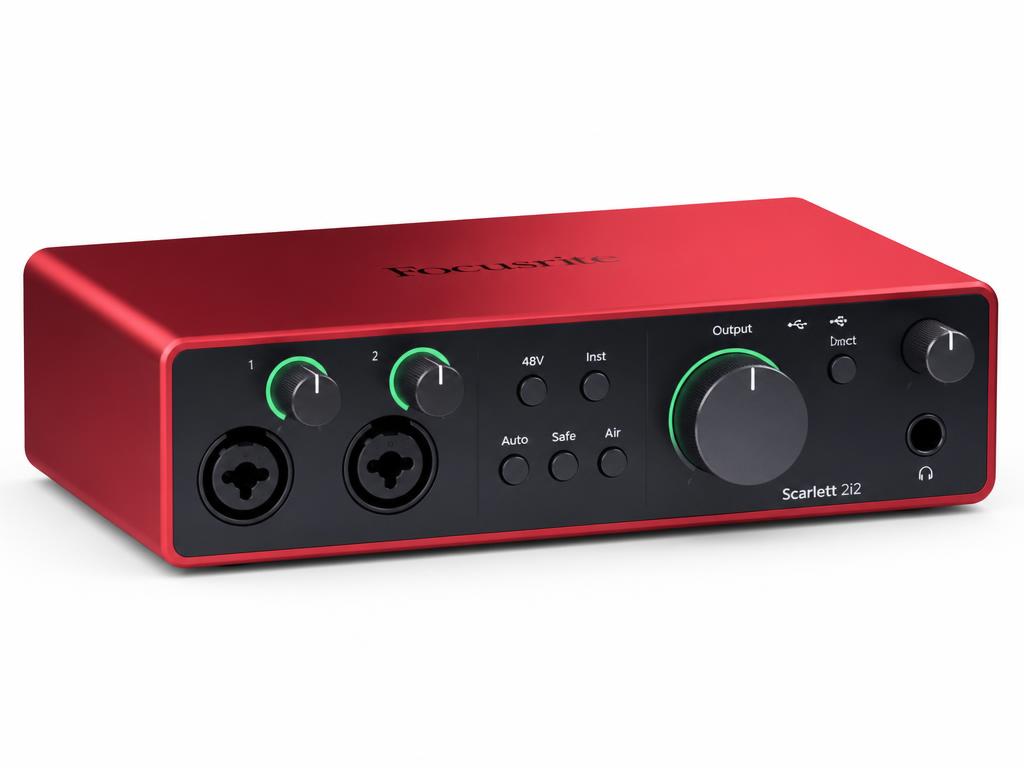
The interface is the hub of a home studio: it turns your microphone or guitar into a signal your computer understands and drives your headphones and speakers. A simple two-input model covers almost everyone starting out.
 ⭐ Best Overall
Music & Studio
Focusrite Scarlett 2i2 (4th Gen)
The two-in, two-out USB interface most home studios start with, and many never replace.
Why we like it: Plug in, open your recording software, and it just works — on Windows, macOS and iPad.
2. A studio microphone
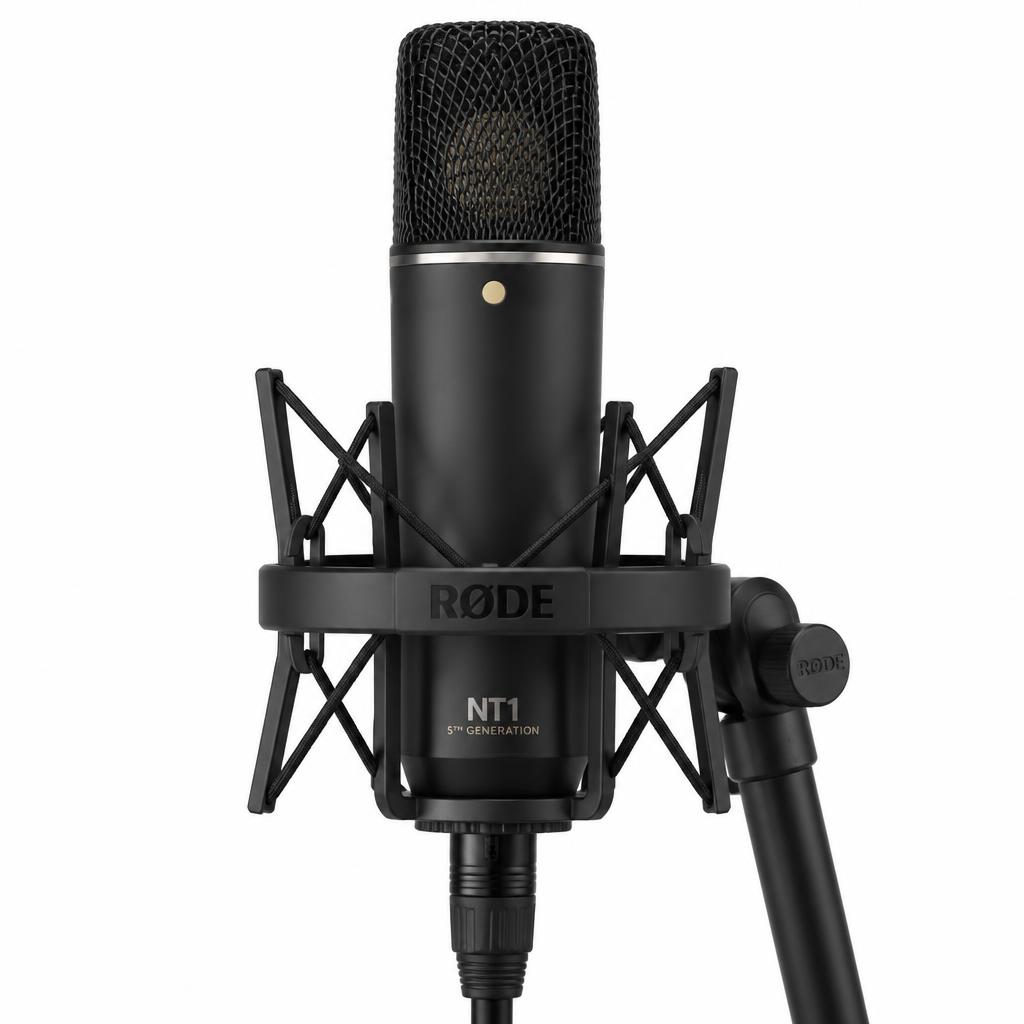
For vocals, acoustic instruments and voice-over, a large-diaphragm condenser is the classic first mic. Pair it with a pop filter and record in the least echoey room you have — a wardrobe full of clothes works surprisingly well.
 🎸 Best for Musicians
Music & Studio
Rode NT1 5th Generation
A large-diaphragm condenser that works over XLR or straight into a computer over USB.
Why we like it: It is the rare studio mic you cannot outgrow: use it over USB today, plug it into an interface later, and it still sounds the same.
3. Closed-back headphones
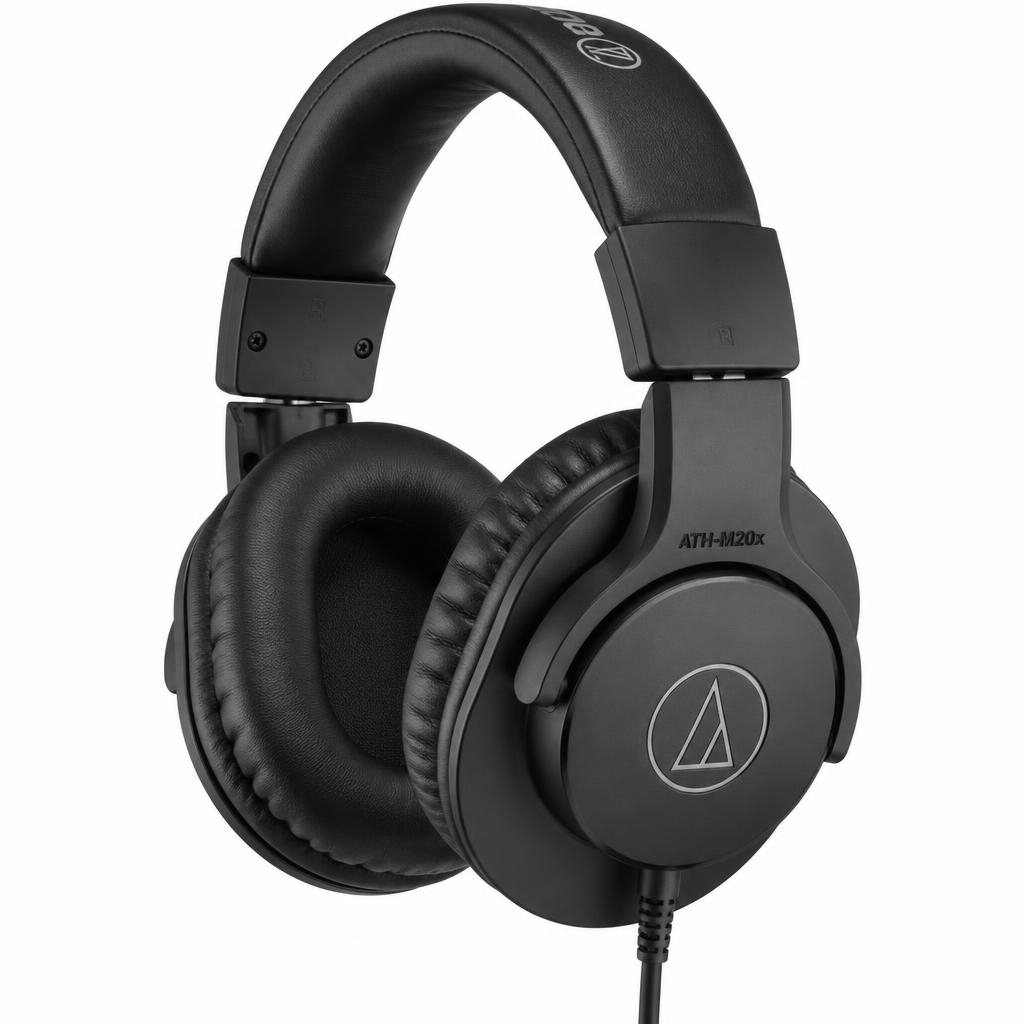
Closed-back headphones stop your backing track leaking into the microphone while you record. They are also great for late-night editing when speakers are not an option.
 💰 Best Budget Choice
Music & Studio
Audio-Technica ATH-M20x
Closed-back studio headphones at a price that makes them an easy first purchase.
Why we like it: Honest sound and enough isolation to record with a microphone in the same room.
4. Studio monitors (when you are ready)
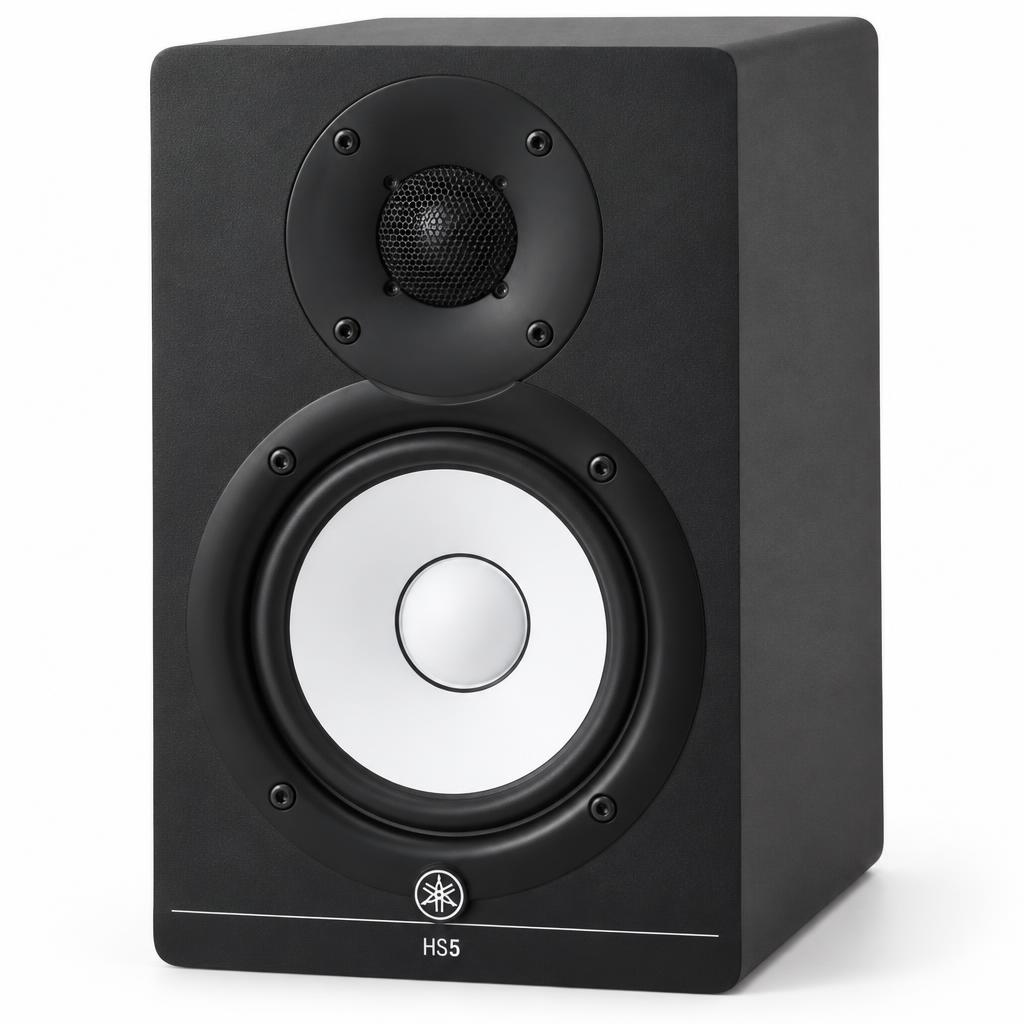
Monitors are the first upgrade once you are mixing regularly. Compact 5-inch models suit most bedrooms and small rooms.
Music & Studio
Yamaha HS5 Studio Monitor
An active 5-inch nearfield monitor known for showing you exactly what your mix is doing.
Why we like it: Unflattering in the best way — problems in a mix are obvious instead of hidden.
5. A MIDI keyboard for producers
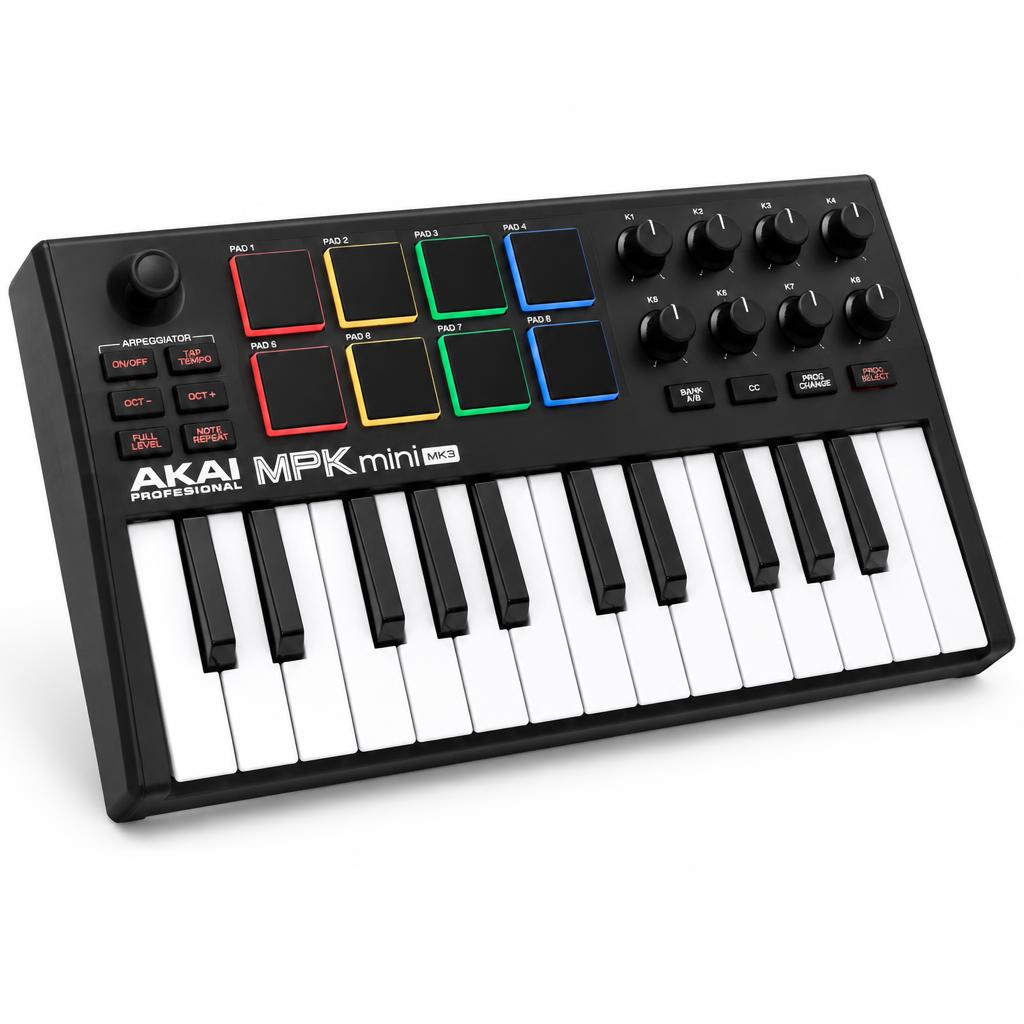
If you write with software instruments, a MIDI controller makes the process far more musical than clicking notes in with a mouse.
Music & Studio
Akai Professional MPK Mini MK3
A 25-key USB MIDI controller with drum pads, knobs and a joystick for pitch and modulation.
Why we like it: Small enough to live in a laptop bag, but with pads and knobs you will actually use.
What you can skip for now
Expensive acoustic treatment, outboard preamps and a second microphone can all wait. Learn your first setup properly, then upgrade the piece that is actually holding you back.